






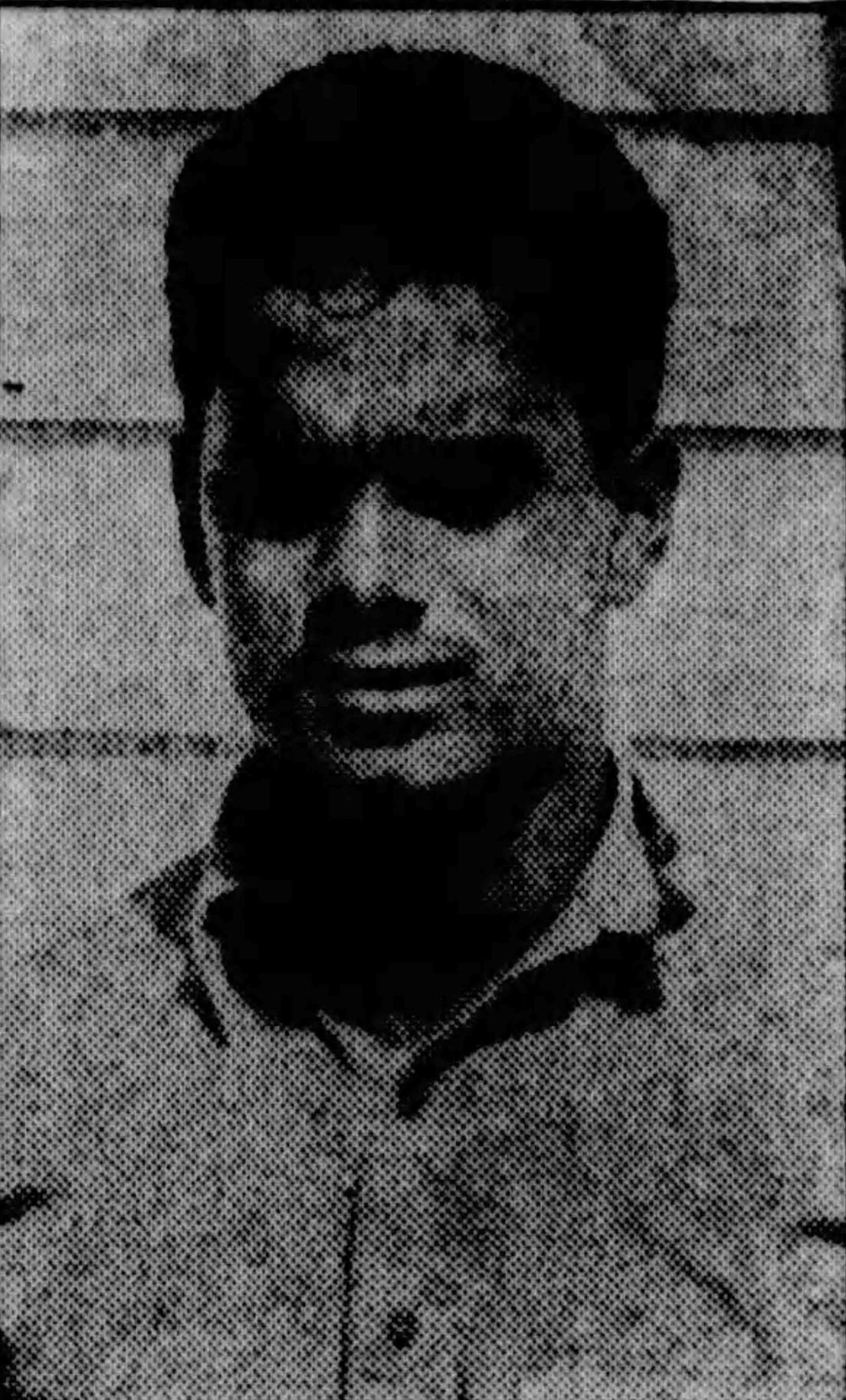
Horace M. Mahabirsingh is honored on the following 1 monument(s) in our database:
Ball Turret Museum Display- B-17 'Ethel' (41-24364), 2nd Bomber Group
Horace M. Mahabirsingh was born on April 30, 1923. He was married to Miriam Mahabirsingh. He served in the 429th Bomber Squadron, 2nd Bomber Group, Heavy, as a Staff Sergeant and Tail Gunner of B-17F #41-24364 nicknamed ''Ethel,” during World War II.
On January 15, 1944, the aircraft Ethel departed Amendola Airfield near Foggia, Italy, on a bombing mission against railway targets at Certaldo, southwest of Florence. The bomber, piloted by Lieutenant William I. Pedersen, was part of a formation of 38 B-17s. During the mission, German antiaircraft fire struck the aircraft near Perugia, damaging two engines. Unable to maintain formation and steadily losing altitude, Pedersen turned toward the Allied airfields in southern Italy. As the bomber struggled to remain airborne, the crew began discarding equipment to reduce its weight. Near Lake Trasimeno, they released six bombs. Despite these efforts, Ethel continued losing altitude at approximately 300 feet per minute. With the aircraft descending through 13,000 feet, Pedersen ordered the crew to abandon the bomber. All ten airmen parachuted near Radicofani, Tuscany. Five were subsequently captured by German forces, while the other five evaded capture. The abandoned aircraft continued flying briefly before crashing in the vicinity of Lake Bolsena. Its ball turret fell into the lake, where it remained submerged for nearly seven decades.
SSgt Mahabirsingh was captured by German forces and held as a prisoner of war at Stalag Luft IV. During his captivity, he endured and survived the notorious Black March, a forced evacuation of Allied prisoners across Germany during the final months of World War II. He died on May 1, 1988, and is now buried in the Calverton National Cemetery, Calverton, Suffolk County, New York, USA.
Sources of information: www.crouze.com, 2ndbombgroup.org