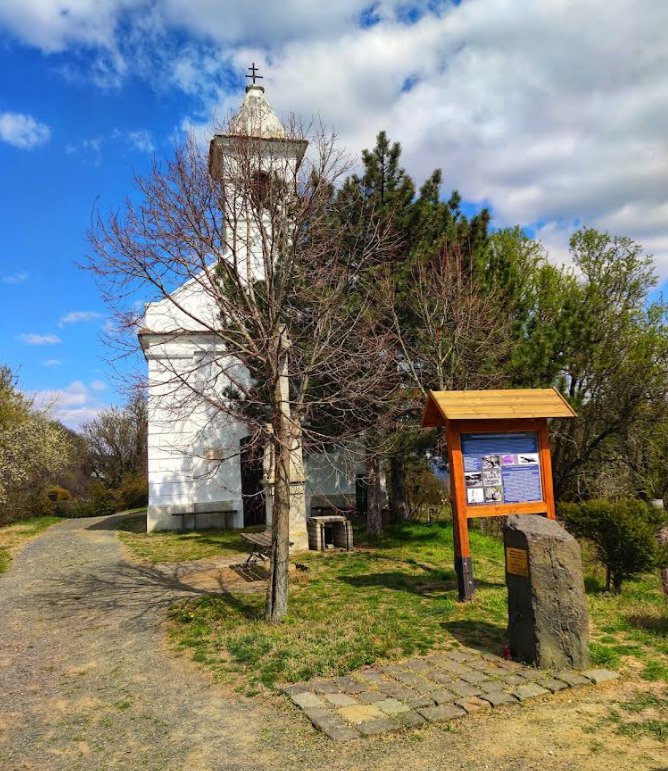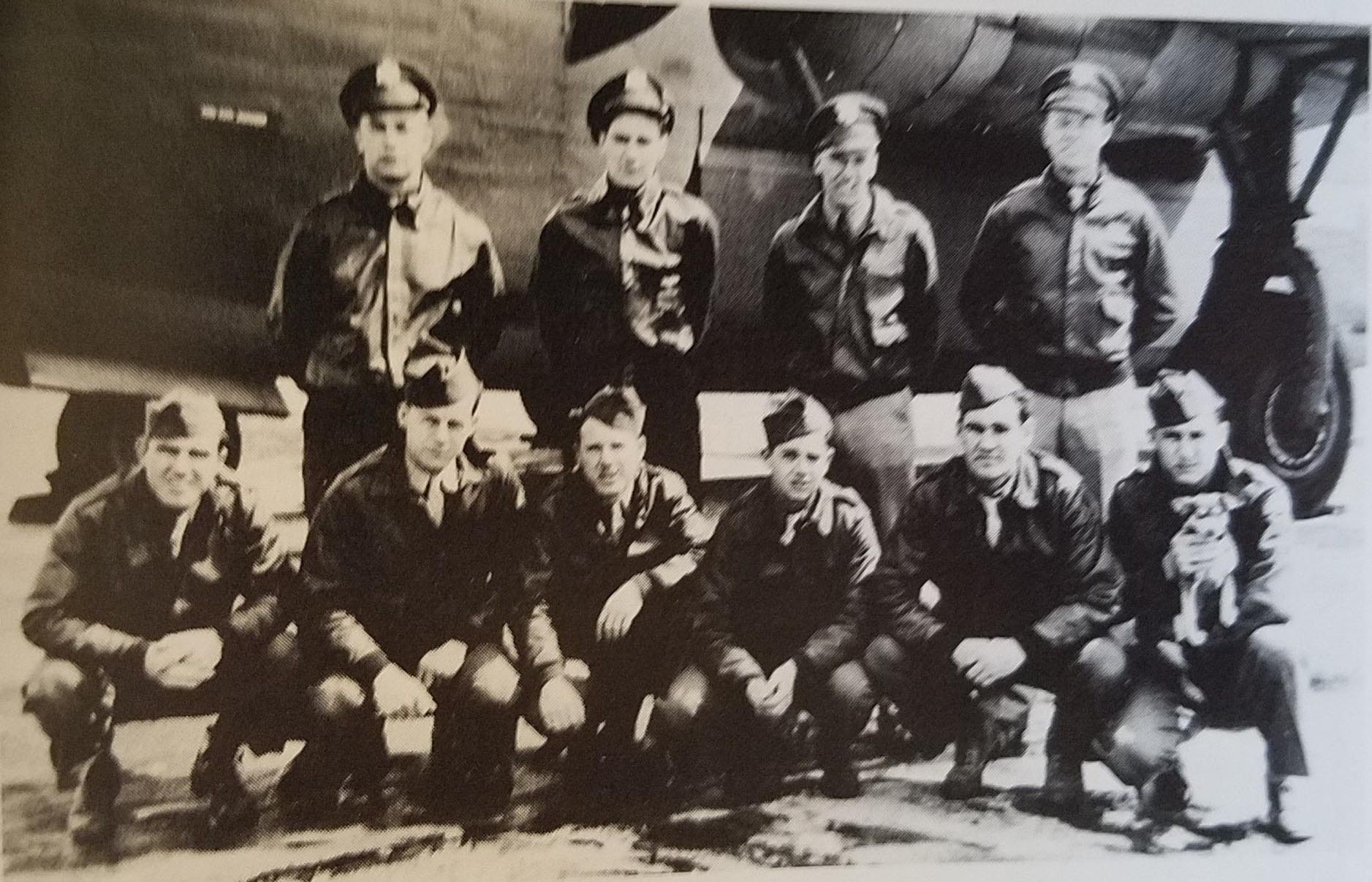






B-24 (42-51160) Crash Information Board
Details:
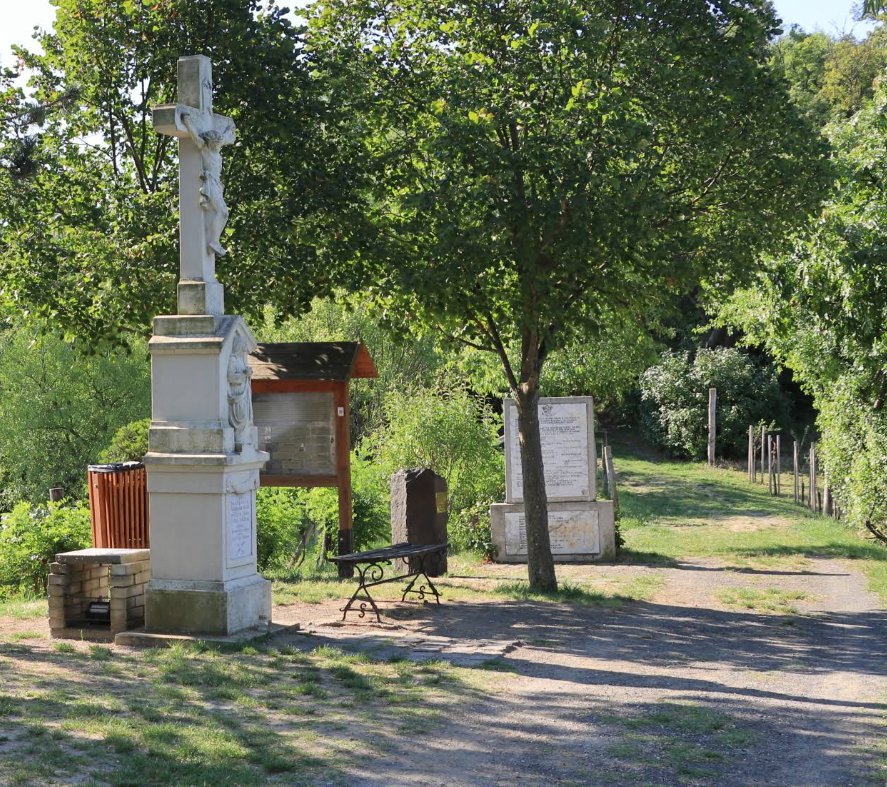
Located at the front-right side of the 460th Bomber Group monument.
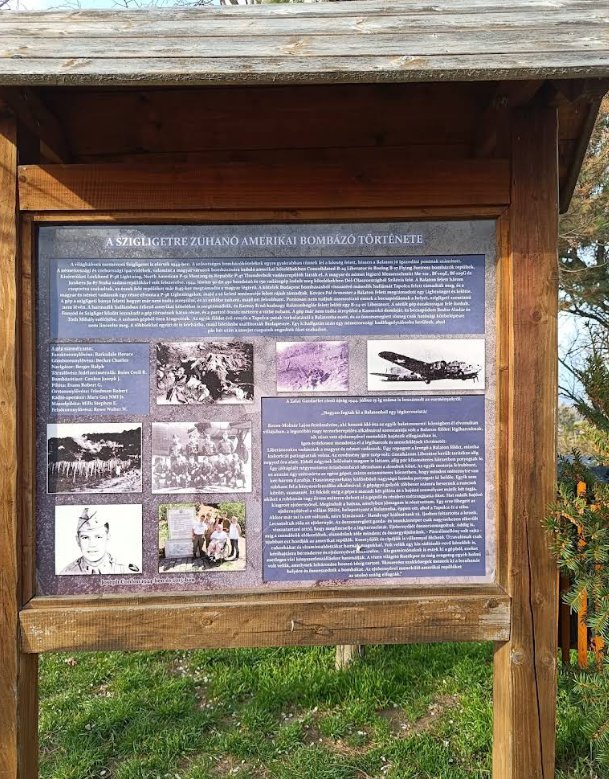
MarkerA rectangular historical information board mounted inside a sturdy wooden frame commemorates the crash of an American bomber near Szigliget, Hungary, during World War II. Written in Hungarian, the board features wartime photographs depicting the bomber wreckage, captured American airmen, and memorial-related scenes. It also includes a crew list identifying the American servicemen aboard the aircraft, along with their names and roles.
Monument Text:
A SZIGLIGETRE ZUHANÓ AMERIKAI BOMBÁZÓ TÖRTÉNETE
A világháború eseményei Szigligetet is elérték 1944-ben. A szövetséges bombázókötelékek egyre gyakrabban tuntek fel a község felett, hiszen a Balaton jó igazodási pontnak számított.
A németországi és csehországi iparvidékek, valamint a magyar városok bombázására induló amerikai kötelékekben Consolidated B-24 Liberator és Boeing B-17 Flying Fortress bombázók repültek. Kíséretüket Lockheed P-38 Lightning, North American P-51 Mustang és Republic P-47 Thunderbolt vadászrepuloklátták el. A magyar és német légiero Messerschmitt Me-110, Bf-109E, Bf-109G és Junkers Ju-87 Stuka vadászrepülokkel volt felszerelve. 1944. június 30-án 450 bombázó és 150 vadászgép indult meg kötelékekben Dél-Olaszországból Szilézia felé. A Balaton felett három csoportra szakadtak, az észak felé repüloket már 8:45-kor megtámadta a magyar légiero. A kötelék Budapest bombázásból visszatéro második hullámát Tapolca felett támadták meg, és a magyar és német vadászok egy része elvonta a P-38 Lightningeket, majd a tó keleti medencéje felett rájuk támadtak. Kovács Pál ormester a Balaton felett megtámadott egy Lightninget és lelotte. A gép a szigligeti bánya feletti hegyet már nem tudta átrepülni, és az erdobe zuhant, majd ott felrobbant. Pontosan nem tudjuk azonosítani ennek a becsapódásnak a helyét, szigligeti szemtanú nem lévén. A harmadik hullámban érkezo amerikai köteléket is megtámadták, és Karnay Erno hadnagy Balatonboglár felett lelott egy B-24-es Liberatort. A sérült gép északnyugat felé fordult. Fonyód és Szigliget között leszakadt a gép törzsének hátsó része, és a parttól ötszáz méterre a vízbe zuhant. A gép már nem tudta átrepülni a Kamonko dombját, és becsapódott Bodor Aladár és Tóth Mihály szolojébe. A zuhanó gépbol öten kiugrottak. Az egyik földet éro ernyos a Tapolca-patak torkolatánál a Balatonba esett, és az összesereglett tömeg csak hatósági közbelépésre nem lincselte meg. A többiekkel együtt ot is kórházba, majd börtönbe szállították Budapestre. Egy kihallgatás után egy németországi hadifogolytáborba kerültek, ahol pár hét után a szovjet csapatok engedték oket szabadon.
A gép személyzete:
Faroktoronylövész: Barksdale Horace
Gömbtoronylövész: Becker Charles
Navigátor: Berger Ralph
Törzslövész fedélzetimérnök: Boles Cecil R.
Bombázótiszt: Conlon Joseph J.
Pilóta: Evans Robert G.
Orrtoronylövész: Friedman Robert
Rádió operátor: Mars Guy NMI Jr.
Másodpilóta: Mills Stephen E.
Felstoronylövész: Rowe Walter W.
A Zalai Gazdaélet címu újság 1944. július 15-ig száma is beszámolt az eseményekrol:
Hogyan fogtak ki a Balatonból egy légiterroristát
Rezes-Molnár Lajos festomuvész, aki hosszú ido óta az egyik balatonmenti községben él elvonultan villájában, a legutóbbi nagy terrorberepülés alkalmával szemtanúja volt a Balaton fölötti légi harcoknak, sot részt vett ejtoernyovel menekült hajózók elfogásában is.
Igen érdekesen mondotta el a légiharcok és menekülések történetét:
Liberátorokra vadásztak a magyar és német vadászok. Úgy ropogott a levego a Balaton fölött, mintha kukoricát pattogtattak volna. Az eredmény igen szép volt: tizenhárom Liberátor került terítékre alig negyed óra alatt. Ebbol négynek lelövését magam is láttam, alig pár kilométeres körzetben potyogtak le.
Egy jóltaplált négymotoros óriásbombázó idezuhant a dombok közé. Az egyik motorja felrobbant, ez azután úgy szétszórta az egész gépet, szinte százméteres körzetben, hogy minden méternyire van két-három darabja. Huszonégynehány különbözo nagyságú bomba potyogott ki belole. Egyik sem robbant fel a kényszerleszállás alkalmával. A gépágyú golyók többezer számra hevernek a roncsok között, szanaszét. Itt feküdt még a gépen maradt két pilóta és a hajózó személyzet másik két tagja, akiket a robbanás vagy ötven méterre dobott el a géptol és részben szétszaggatta oket. Hat másik hajózó kiugrott ejtoernyovel. Megindult a hajsza, amelyben jómagam is résztvettem. Egy erre libegett az ejtoernyojével a villám fölött, belepottyant a Balatonba, éppen ott, ahol a Tapolca ér a tóba.
Akkor már mi is ott voltunk, mire kimászott.-Hands up! kiáltottunk rá. Ijedten feltartotta a kezeit.
Lecsatoltuk róla az ejtoernyot. Az összesereglett gazda- és munkásnépet csak nagynehezen sikerült visszatartani attól, hogy meglincselje a légiterroristát. Ejtoernyojét összecsomagoltuk. Addig is, míg a csendorök elokerültek, elszedtünk tole mindent és összegyujtöttünk. - Páncélmellény volt rajta - újabban ezt hordják az amerikai repülok. Kesztyujuk és cipojuk is villannyal futheto. Útravalónak csak cukorkákat és vitamintablettákat hoznak magukkal. Volt velük egy kis rádióadó-vevo készülék is, kézihajtásra berendezve és ejtoernyovel felszerelve. - Kis gumicsónakok is estek ki a gépbol, ezeket esetleges vízi kényszerleszálláskor használják. A vízen vilagitó festékpor és még rengeteg egyéb holmi volt velük, amelynek leltározása hosszú ideig tartott. Tuzszerész szakközegek mentek ki a lezuhanás helyére és összeszedték a bombákat. Az ejtoernyovel menekülo amerikai repüloket az utolsó szálig elfogták.
English translation:
THE STORY OF THE AMERICAN BOMBER THAT CRASHED AT SZIGLIGET
The events of World War II reached Szigliget in 1944 as well. Allied bomber formations appeared increasingly often over the village, since Lake Balaton served as an excellent navigational landmark.
American formations heading to bomb industrial regions in Germany and Czechoslovakia, as well as Hungarian cities, flew Consolidated B-24 Liberator and Boeing B-17 Flying Fortress bombers. They were escorted by Lockheed P-38 Lightning, North American P-51 Mustang, and Republic P-47 Thunderbolt fighter aircraft. The Hungarian and German air forces were equipped with Messerschmitt Me-110, Bf-109E, Bf-109G, and Junkers Ju-87 Stuka fighter planes.
On June 30, 1944, 450 bombers and 150 fighter aircraft departed in formations from Southern Italy toward Silesia. Over Lake Balaton, the formations split into three groups, and those flying north were attacked by the Hungarian Air Force as early as 8:45 AM.
The second wave of the formation, returning from the bombing of Budapest, was attacked over Tapolca. Part of the Hungarian and German fighters drew away the P-38 Lightnings and then attacked them over the eastern basin of the lake. Sergeant Pál Kovács attacked a Lightning over Lake Balaton and shot it down. The aircraft was unable to clear the mountain above the Szigliget quarry, crashed into the forest, and exploded there. We do not know the exact location of this crash because there were no eyewitnesses from Szigliget.
The American formation arriving in the third wave was also attacked, and Lieutenant Ern Karnay shot down a B-24 Liberator over Balatonboglár. The damaged aircraft turned northwest. Between Fonyód and Szigliget, the rear section of the aircrafts fuselage broke away and fell into the water about five hundred meters from the shore.
The aircraft could no longer clear Kamonk Hill and crashed into the vineyards of Aladár Bodor and Mihály Tóth. Five crew members jumped from the falling aircraft. One parachutist landed in Lake Balaton at the mouth of the Tapolca Stream, and only the intervention by authorities prevented the gathered crowd from lynching him.
Together with the others, he was taken first to a hospital and later to a prison in Budapest. After an interrogation, they were transferred to a prisoner-of-war camp in Germany, where they were freed a few weeks later by Soviet troops.
Tail Turret Gunner: Horace Barksdale
Ball Turret Gunner: Charles Becker
Navigator: Ralph Berger
Waist Gunner / Flight Engineer: Cecil R. Boles
Bombardier: Joseph J. Conlon
Pilot: Robert G. Evans
Nose Turret Gunner: Robert Friedman
Radio Operator: Guy Mars Jr.
Co-Pilot: Stephen E. Mills
Top Turret Gunner: Walter W. Rowe
The July 15, 1944 issue of the newspaper Zalai Gazdaélet also reported on the events:
How They Pulled an Air Terrorist Out of Lake Balaton
Lajos Rezes-Molnár, a painter who had long lived in seclusion in his villa in one of the villages along Lake Balaton, witnessed the air battles over the lake during the most recent major air raid and even took part in the capture of airmen escaping by parachute.
He recounted the story of the air battles and escapes in a very vivid manner:
Hungarian and German fighters were hunting Liberators. The sky above Lake Balaton crackled as if popcorn were being popped. The results were impressive: thirteen Liberators were brought down in barely fifteen minutes. I personally saw four of them being shot down; they fell within just a few kilometers of one another.
One heavily hit four-engine giant bomber crashed here among the hills. One of its engines exploded, scattering the entire aircraft over an area nearly a hundred meters wide, so that pieces of it lay every few meters. Around two dozen bombs of various sizes fell out of it. None exploded during the crash landing. Thousands of machine-gun rounds were scattered among the wreckage. Here also lay the two pilots who had remained aboard the aircraft and two other crew members, whom the explosion had thrown some fifty meters from the plane and partially torn apart.
Six other airmen jumped with parachutes. A pursuit began, in which I myself also took part. One of them drifted down over the reeds with his parachute and splashed into Lake Balaton exactly where the Tapolca Stream flows into the lake.
By the time he climbed out, we were already there.
Hands up! we shouted at him. Frightened, he raised his hands.
We removed his parachute. The gathered farmers and laborers could only barely be restrained from lynching the air terrorist. We packed up his parachute. Until the gendarmes arrived, we took everything from him and collected it together.
He was wearing body armor American airmen had recently begun wearing such equipment. Their gloves and shoes were electrically heated. For provisions, they carried only candies and vitamin tablets. They also had a small radio transmitter-receiver with them, designed to be operated by hand crank and equipped with a parachute.
Small rubber boats also fell from the aircraft; these were intended for use in case of an emergency water landing. They also carried luminous dye powder for use on the water, along with many other items, the cataloging of which took a long time.
Bomb disposal specialists went to the crash site and collected the bombs. The American airmen who escaped by parachute were captured to the very last man.
Commemorates:
People:
Units:
15th Air Force
460th Bomb Group, Heavy
760th Bomber Squadron, 460th Bomber Group, Heavy
United States Air Force
United States Army
Wars:
WWII
Other images :